
Best 4 Cycle Small Engine Oils
The best 4-cycle small engine oil for your mower, generator, or pressure washer — top picks and the factors that actually matter. US & Canada, 2026.
$20/year, up to 25% off every order, no quotas or minimums. See how the membership works →
By Alan Williams, AMSOIL Direct Jobber #1243776 · Tomball, TX · 225-441-6397
20+ years matching oil to equipment, and 4-cycle small engines get overlooked compared to cars, even though they deserve the same care.
Last updated 2026.
Quick Answer
4-cycle engines (mowers, generators, pressure washers, tillers) use straight motor oil in a dedicated crankcase, just like a car, no fuel mixing required. Look for SAE 30 or 10W-30, API SJ or later service rating, and full synthetic if the equipment sees hard, sustained use like commercial mowing or backup power duty.
Always check your equipment’s manual first, viscosity and service rating requirements vary by manufacturer and climate.
Top Picks & Factors That Matter
The right 4-cycle small engine oil comes down to three things: the viscosity grade your manual calls for, the API service rating on the bottle, and how hard the equipment actually works. Here is what to look for, plus how the picks change depending on what you are running.
- SAE 30, the simplest, most common grade for warm-weather use in mowers and similar equipment. It flows easily once warm and resists breaking down under steady heat, but it thickens up in cold weather, so it is a fair-weather choice.
- 10W-30, better cold-start flow for cooler climates or early-season use. The 10W rating means it reaches critical parts faster on a cold morning, which matters most for equipment stored outdoors or used in spring and fall.
- Full synthetic, worth the upgrade for commercial-duty or heavy-use equipment where thermal stability and extended service intervals actually matter. Synthetic base oils resist breaking down under sustained heat and load far better than conventional oil, which is why AMSOIL backs its small engine formulations for longer intervals than the API minimum.
- API SJ or later service rating, confirms the additive package meets modern small-engine protection standards. Anything rated SJ, SL, SM, SN, or newer includes the detergent and anti-wear additives small air-cooled engines need; older ratings may not.
Matching Oil to the Equipment You Actually Run
“Best” depends on what the engine is bolted to. Here is how the picks above play out across the most common 4-cycle small engines:
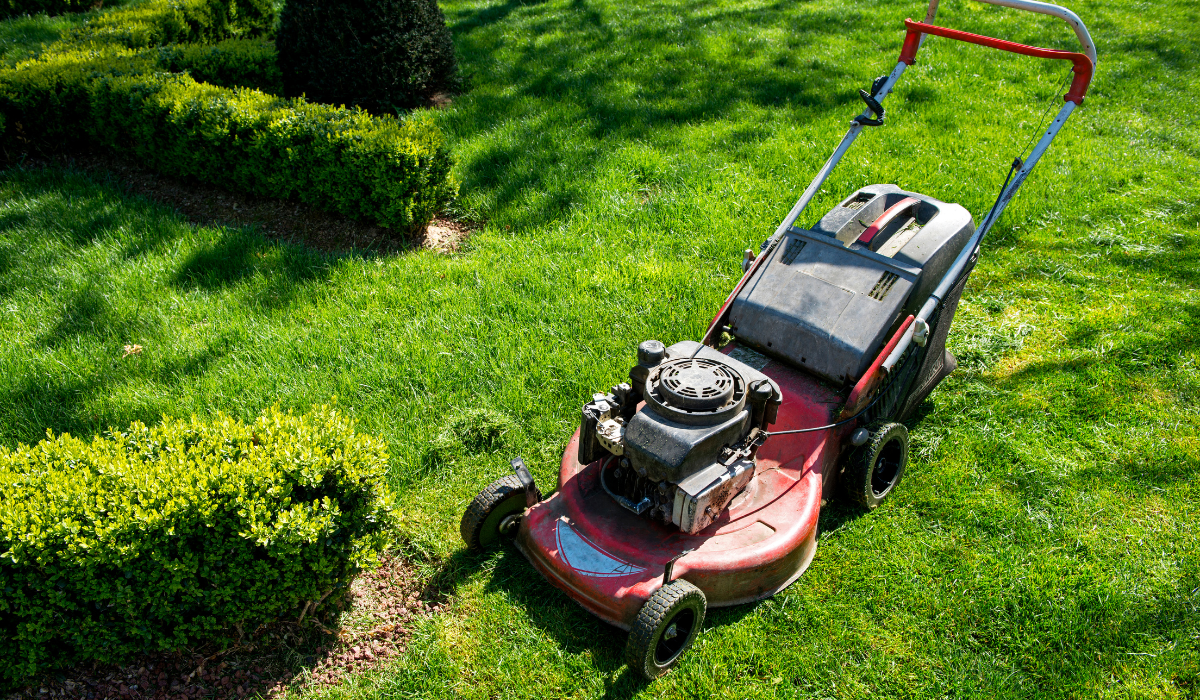
- Lawn mowers (push and riding): SAE 30 covers most warm-season mowing. Switch to 10W-30 if you mow in early spring or late fall when mornings are cold, and step up to full synthetic if you are cutting commercial acreage or running a zero-turn several days a week.
- Generators: Generators often sit idle for months, then get pressed into hours of continuous run time during an outage, exactly the load full synthetic is built for. It protects a cold-started, rarely-used engine and holds up under sustained duty once it is running.
- Pressure washers: High RPM and sustained load under a pump generate more heat than a mower engine sees. A 10W-30 or full synthetic handles that heat better than straight SAE 30, especially if the washer gets used for hours at a stretch.
- Tillers and cultivators: Seasonal, lower-RPM use is easy on oil, SAE 30 or 10W-30 conventional is fine for a homeowner tiller used a few times a year. Rental or commercial tillers that run all day benefit from synthetic the same way commercial mowers do.
Conventional vs. Full Synthetic: When Each One Earns Its Keep
Conventional SAE 30 or 10W-30 is not a bad oil, it is simply a shorter-interval, lower-heat-tolerance option that costs less up front. For a homeowner mower used once a week in mild weather, that trade-off makes sense. Full synthetic costs more per bottle but resists oxidation and viscosity breakdown at higher temperatures, which is what lets it go longer between changes and protect equipment that runs harder: generators under load, commercial mowers, pressure washers, and anything used for income rather than a weekend chore. The rule of thumb: the more hours and heat the engine sees in a season, the more synthetic pays for itself in fewer changes and less wear.
Mistakes That Shorten Small Engine Life
- Using automotive multi-viscosity oil without checking the rating. Most car oils meet small-engine API ratings fine, but always confirm against the equipment manual rather than assuming.
- Skipping the first oil change on a new engine. Break-in wear leaves metal particles in the factory fill; most manufacturers call for a change at 5 hours specifically to flush that out.
- Overfilling or underfilling. Small engine crankcases hold far less oil than a car; a quart off can mean the dipstick reading is badly wrong.
- Letting equipment sit all winter with old oil in it. Moisture and acids from combustion accumulate in oil left sitting, change it before storage, not just before the season starts.
Get full synthetic 4-cycle small engine oil at wholesale pricing.
Alan’s Take
“For a homeowner mowing once a week, SAE 30 conventional does the job fine. Where synthetic actually earns its keep is equipment that runs hard and often, generators during an outage, commercial mowing crews, that kind of sustained duty.”
Frequently Asked Questions
What viscosity oil does a 4-cycle mower engine need?
Most call for SAE 30 in warm weather or 10W-30 for cooler climates and easier cold starts. Always confirm against your specific equipment’s manual.
Is synthetic oil worth it for a lawn mower?
For occasional homeowner use, conventional oil is generally sufficient. For commercial or heavy-duty equipment, full synthetic’s thermal stability and extended interval capability provide a real benefit.
What is the best 4-cycle small engine oil?
The best 4-cycle small engine oil matches your engine’s specified viscosity (typically SAE 30 for warm climates or 10W-30 for variable temperatures) and meets or exceeds the API service category stamped on the oil cap. Full synthetic options outperform conventional oils in cold-start protection, heat stability, and extended drain intervals — AMSOIL 4T full synthetic is a strong performer in this category.
Can I use regular motor oil in my 4-cycle lawn mower?
Yes, if it meets your engine’s required viscosity and API rating — most small 4-cycle engines specify SAE 30 or 10W-30. However, conventional automotive motor oil contains friction modifiers not optimized for air-cooled small engines running at sustained high temperatures, which is why dedicated 4-cycle small-engine oils tend to provide better protection over time.
How often should I change oil in a 4-cycle small engine?
Most manufacturers recommend changing oil after the first 5 hours on a new engine, then every 50 hours or once per season with conventional oil. With a quality full synthetic, some manufacturers allow intervals up to 100 hours — always follow your engine’s owner’s manual as the final authority.
Keep Every Engine Running Right
Join as an AMSOIL Preferred Customer, wholesale pricing on every order.
$20/yr, Dealer #1243776, ships US & Canada
Interested in Selling AMSOIL Instead of Just Buying It?
AMSOIL Dealers earn commission on every sale, set their own hours, no quotas.
Continue the Synthetic Oil Guide
Disclaimer & affiliate disclosure: Always confirm your specific equipment’s oil requirement against its manual. AMSOIL and all brand names referenced are registered trademarks of their respective owners. Lube Oil Sales is an Authorized AMSOIL Independent Dealer (Dealer #1243776). This page contains affiliate links. Last updated: 2026.